

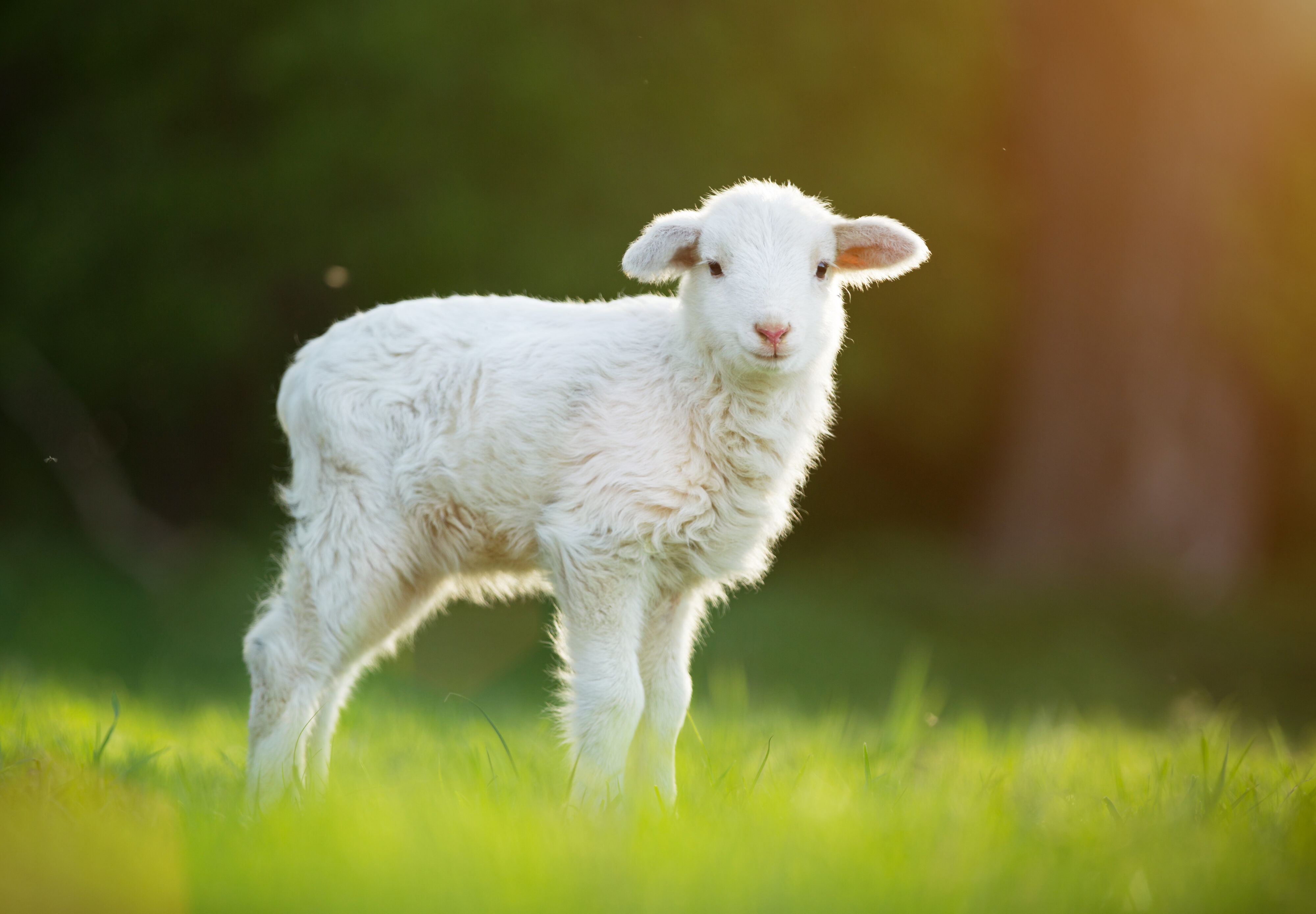
Lambing and kidding season can expose veterinary teams to more than sleepless nights. Coxiella burnetii, the zoonotic organism that causes coxiellosis in animals and Q fever in humans, can spread quickly during routine births and abortions in small ruminants.
The organism spreads through environmental contamination, including aborted tissues, urine, and feces. Many infected animals and humans show no clinical signs, although some people develop Q fever. Pregnant women, people with cardiac valvular disease, and immunocompromised individuals are at highest risk for adverse outcomes due to Q fever.
Rethinking “Routine” Parturition: The Hidden Risk of Coxiella
Veterinarians often view births as “routine.” Diseases like Coxiella force a different mindset: birth events can become high-risk exposure events.
Asymptomatic animals can shed Coxiella even during “normal” births, which means you cannot rely on visible illness to protect your team.
Identifying Coxiella Risk
Coxiellosis can present as:
- Late-term abortions, anorexia, +/- infertility in ruminants (especially sheep/goats), sometimes as clusters
- Stillbirths, weak neonates, or poor neonatal performance depending on the broader herd context
- No obvious clinical signs in many carriers
Ask targeted questions on the first call:
- How many abortions occurred, and over what timeframe?
- Did the farmer notice retained placentas or metritis trends?
- Where did births occur (barn, pen, pasture) and how did staff handle bedding and placentas?
These answers help you map environmental contamination risk, which is a key driver of spread.
Human Transmission: Q Fever
Most human infections occur after inhalation of contaminated aerosols generated during routine reproductive tasks, including assisting with births, handling placentas, removing soiled bedding, and cleaning contaminated areas. Environmental contamination with spore-like persistence fuels transmission, making dust control and aerosol awareness essential components of prevention.
Symptoms of Q fever in humans include headaches, muscle aches, fatigue, fever, and sometimes endocarditis, pneumonia, or hepatitis.
Certain populations require proactive counseling:
- Pregnant individuals face risk of adverse pregnancy outcomes
- People with preexisting cardiac disease carry higher risk for severe complications
- Immunocompromised individuals are more vulnerable to serious illness from many zoonotic pathogens
Documented infections have followed attendance at birthing demonstrations and petting-zoo-style events involving small ruminants. Risk increases when crowds gather near fresh birth materials and contaminated dust, especially in enclosed or poorly ventilated spaces.
A Standardized Personal Protective Equipment (PPE) Protocol for High-risk Reproductive Tasks
Implement a standardized PPE protocol to follow when you need to handle reproductive materials or potentially contaminated bedding.
Protection must scale with exposure risk. Require the following during births, abortion management, and cleanup:
- Gloves and disposable or washable coveralls
- Eye protection +/- face shield when there is a splash risk
- Appropriate respiratory protection when dust or aerosols can occur during births, bedding removal, or cleanup
- Boot disinfection
Personal protective equipment works best when you pair it with sound environmental controls. Adjust daily habits to limit airborne contamination:
- Avoid dry sweeping in contaminated areas
- Bag and remove potentially contaminated bedding carefully to prevent generating dust
- Wet down dusty surfaces when appropriate to reduce airborne particulates
- Designate one trained person to handle placentas and contaminated materials
Practical Farm Management Tips
Coxiellosis management hinges on reducing environmental contamination and limiting exposure. Educate clients to:
- Isolate aborting animals and manage them as high-risk until you clarify etiology (most differentials are contagious, some are zoonotic)
- Designate a birthing zone that you can clean, disinfect, and control
- Treat placentas and aborted materials as contaminated and dispose of them appropriately
- Ensure that people who are pregnant, immunocompromised, or have cardiac issues avoid potentially contaminated areas
Treat Every Birth as a Potential Zoonotic Exposure Event
C. burnetii pushes veterinarians to treat all small ruminant births as potential zoonotic exposure events. Many carriers do not have obvious clinical signs. Use respiratory protection when aerosol risk rises, control contaminated materials aggressively, and build a repeatable checklist for your team.
This approach protects your staff and improves outcomes for farmers during what is often the busiest season of the year.
More from Zuku:
- Master NAVLE® concepts
- Meet your continuing education requirements anywhere, anytime, with ZukuCE
- Complement your studies with NAVLE® and BCSE Flashcards
- Subscribe to the Question of the Day to receive a NAVLE® question delivered to your inbox daily
- View the Study Strategy video series
- Review the Weekly Veterinary Medicine Blog


