

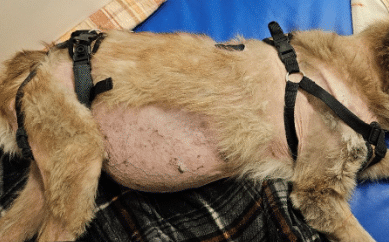
Endocrine testing represents one of the most challenging diagnostic areas for veterinary students and clinicians alike. Endocrine diseases rarely have a single definitive test. Instead, vets must interpret multiple diagnostics within the context of history, clinical signs, and pathophysiology.
For NAVLE® success and clinical confidence, the key is in understanding what each test measures and when to use it in the context of each condition.
Why Endocrine Testing is Different
Hormones fluctuate throughout the day, respond to stress, and interact with multiple body systems. This variability means that endocrine tests often prioritize either sensitivity or specificity, but rarely both. The clinician also must consider how time of day, a fasting or fed state, and confounders such as recent hospitalization, travel, boarding, or other stressors may affect certain tests.
As a result, no one test can be interpreted in isolation. Always combine:
- History and clinical signs
- Baseline laboratory data
- Targeted endocrine testing
This layered approach improves diagnostic accuracy and prevents common errors.

Core Principle: Start with Baseline Lab Work
Before running specialized endocrine tests, always evaluate serum chemistry, a complete blood count, and urinalysis. These tests often provide strong diagnostic direction.
For example, it is often possible to diagnose diabetes mellitus without advanced endocrine testing. Persistent hyperglycemia combined with glucosuria and compatible clinical signs confirms the diagnosis. Fructosamine adds value by reflecting average blood glucose over the previous two weeks, helping distinguish true diabetes from transient stress hyperglycemia.
In contrast, conditions like Cushing disease require more complex, evocative testing due to cortisol’s diurnal variability.
Understanding Testing for Cushing Disease
Evaluation for Cushing disease (hyperadrenocorticism) requires functional testing of the hypothalamic-pituitary-adrenal (HPA) axis. The two most important tests are the low-dose dexamethasone suppression test (LDDST) and the ACTH stimulation test.

Low-Dose Dexamethasone Suppression Test (LDDST)
The LDDST evaluates whether cortisol production appropriately suppresses in response to dexamethasone. In a healthy dog, dexamethasone provides negative feedback on the hypothalamus and pituitary, suppressing corticotropin-releasing factor (CRF) and ACTH, respectively, thus reducing cortisol production by the adrenal glands. In dogs with Cushing disease, this suppression fails, and cortisol levels remain elevated despite dexamethasone administration.
This makes the LDDST the most sensitive test to detect naturally occurring Cushing disease. However, increased sensitivity comes with a trade-off: reduced specificity. Stress, illness, or hospitalization can produce false positives, as these conditions demand additional cortisol production by the adrenal glands. For example, if you suspect Cushing disease in a patient that just had surgery for a ruptured cranial cruciate ligament, wait two to eight weeks post-operatively to test.
High-Dose Dexamethasone Suppression Test (HDDST) & Abdominal Ultrasound
High-dose dexamethasone suppression testing (HDDST) discriminates between pituitary-dependent and adrenal-dependent Cushing disease, so perform only after you confidently diagnose Cushing disease in a patient.
In the HDDST, you give a higher dose of steroids and assess suppression of the HPA axis. Most pituitary-dependent Cushing disease patients demonstrate suppressed cortisol secretion with the HDDST, whereas most adrenal-dependent Cushing disease patients do not. If the HDDST results do not clarify the diagnosis, an abdominal ultrasound helps determine if Cushing disease is pituitary- or adrenal-dependent. Pituitary-dependent disease leads to bilateral adrenomegaly, whereas adrenal-dependent disease shows unilateral adrenomegaly and contralateral adrenal hypoplasia.
Ultrasound image of severe, bilateral adrenomegaly in a dog, secondary to pituitary-dependent Cushing disease:


ACTH Stimulation Test
This test plays a critical role in identifying iatrogenic Cushing disease. The ACTH stimulation test measures adrenal gland responsiveness. Normal adrenal glands secrete additional cortisol in response to administration of synthetic ACTH.
Dogs receiving steroid-containing medications have suppressed adrenal glands that demonstrate a blunted or absent response to stimulation.
You can also use the ACTH stimulation test to monitor response to treatment, particularly in dogs receiving trilostane.
Testing for Thyroid Disease
Thyroid disease requires a different diagnostic approach compared to adrenal disorders. Instead of dynamic functional testing, diagnostics rely primarily on baseline hormone measurements interpreted alongside clinical signs.
Hypothyroidism in Dogs
Baseline lab work usually reveals hypercholesterolemia (often marked) and nonregenerative anemia. The most common screening test is total T4 (TT4). However, TT4 alone lacks specificity. Systemic, non-thyroidal illness suppresses T4 levels in otherwise euthyroid animals (called euthyroid sick syndrome). Avoid thyroid testing in acutely ill patients unless necessary, or interpret results with caution.
To improve diagnostic accuracy, clinicians use:
- Free T4 (fT4) by equilibrium dialysis (most accurate single test)
- Thyroid-stimulating hormone (TSH)
A pattern of low T4 with elevated TSH strongly supports hypothyroidism. However, normal TSH does not rule it out.
Comparing Endocrine Tests: Function Matters
Each test answers a different clinical question:
- Fructosamine → Is hyperglycemia long-standing?
- LDDST → Can the body suppress cortisol production?
- HDDST → Is the Cushing disease more likely pituitary-or adrenal-dependent
- ACTH stimulation → Can the adrenal glands respond to stimulation?
- TT4 → Is the thyroid gland functioning?
- fT4 and TSH → Is an ill animal also hypothyroid?
Understanding these functional differences helps choose the right test for each scenario.
Common Pitfalls in Endocrine Testing
- Testing without clinical signs: Never run endocrine tests without strong clinical suspicion. Normal hormone variability increases the likelihood of misleading results in otherwise healthy dogs.
- Testing sick or hospitalized patients: Stress elevates cortisol levels, which interferes with Cushing testing. Running an LDDST in a hospitalized dog often produces unreliable results. Illness suppresses thyroid hormone secretion, so wait until the animal is healthier to test thyroid function.
- Overinterpreting single values: No single routine lab value confirms an endocrine diagnosis. For example, elevated alkaline phosphatase (ALP) may support Cushing disease, but is not confirmatory.
Integrating Diabetes and Cushing Testing
A key clinical scenario involves distinguishing or managing concurrent endocrine diseases. Diabetes mellitus offers a more straightforward diagnostic pathway, relying on hyperglycemia and glucosuria. In contrast, Cushing disease requires careful timing and interpretation of specialized tests.
If both diseases are suspected, diagnose and stabilize diabetes first. Acute illness alters cortisol levels, making Cushing testing unreliable during this period.
NAVLE® Strategy: Think Like a Clinician
NAVLE® questions often present lab results and ask for interpretation or next steps. To succeed, vet students must:
- Recognize when baseline lab work is sufficient (e.g., diabetes mellitus)
- Understand what each endocrine test evaluates
- Avoid unnecessary or poorly timed testing
Applying Diagnostic Reasoning for NAVLE® Success
When vets approach endocrine testing through physiology and purpose, the complexity becomes manageable. Instead of memorizing protocols, work towards understanding:
- What the test measures
- Why results may vary
- How to apply findings to real patients
When you understand the “why” behind endocrine testing, you move beyond memorization and develop the clinical judgment needed to succeed on the NAVLE® and in practice.
More from Zuku:
- Shop NAVLE® Test Prep & NAVLE® Flashcards.
- Subscribe to the Question of the Day to receive a NAVLE®-format question delivered to your inbox daily.
- Earn weekly live & on-demand RACE-approved CE.
- Review the weekly Veterinary Medicine Blog.


