

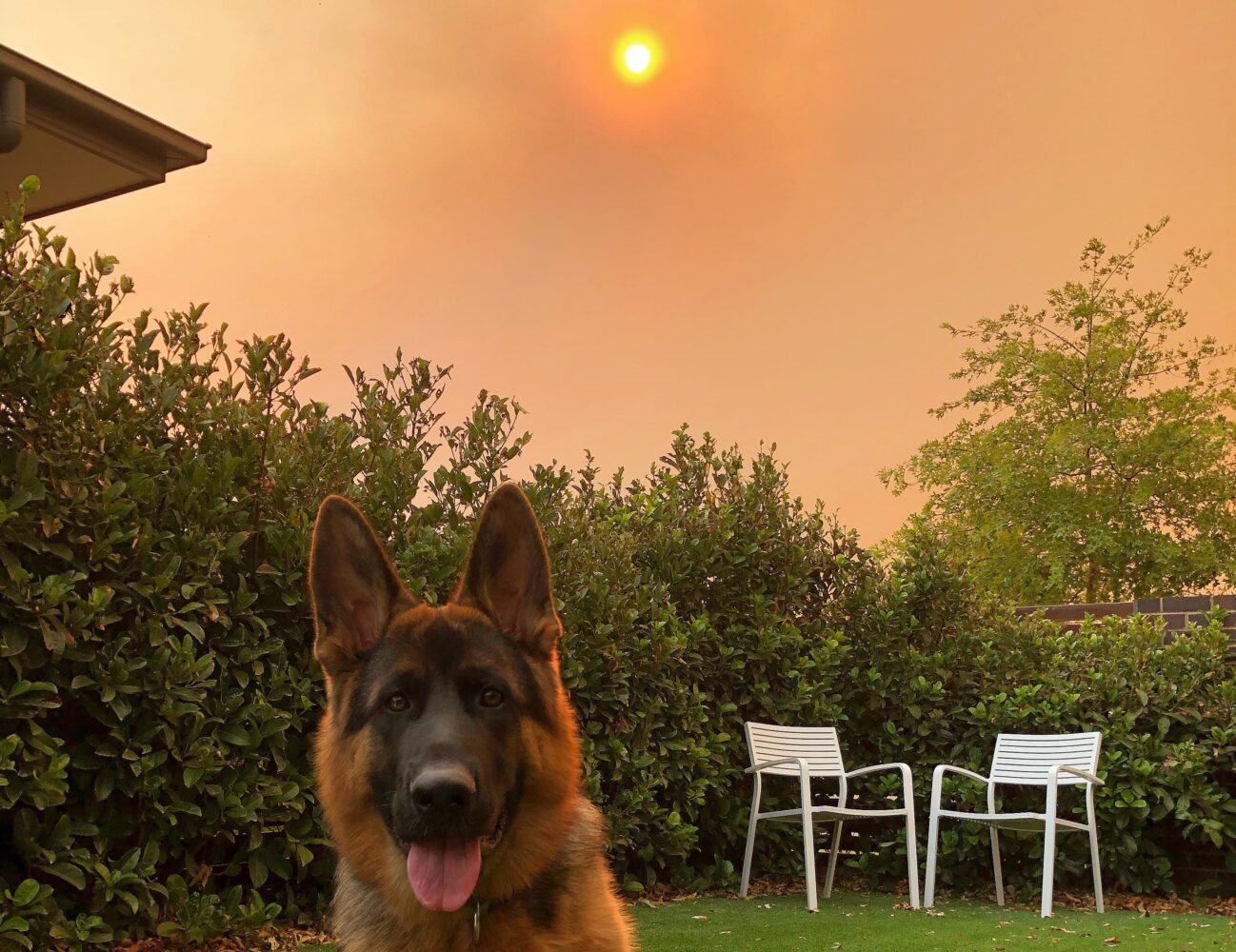
Wildfire season creates serious health risks for people and pets alike. While burns often receive the most attention, pets do not have to come into contact with flames to become critically ill. Smoke inhalation is one of the most dangerous consequences of wildfire exposure, damaging the respiratory tract, reducing oxygen delivery, and triggering life-threatening complications.
Educate owners about the effects of wildfire smoke and the early clinical signs of smoke inhalation so they know to seek veterinary treatment before the condition worsens.
Why Wildfire Smoke is So Dangerous
Wildfire smoke contains a complex mixture of toxic gases and microscopic particles. Carbon monoxide, cyanide, particulate matter (PM2.5), and chemicals released from burning vegetation, plastics, and buildings can all contribute to illness. As pets inhale these irritants, inflammation develops throughout the respiratory tract. The smallest particles travel deep into the lungs, where they disrupt normal gas exchange and make breathing increasingly difficult. Toxic gases such as carbon monoxide also reduce the blood’s oxygen-carrying capacity, placing every organ under stress.
Even pets that spend only a short time outdoors during heavy smoke events may experience harmful effects.
Which Pets Face the Greatest Risk?
Any pet can suffer from smoke inhalation, but certain breeds of dogs and cats have less reserve when their respiratory system becomes compromised. Brachycephalic breeds, including bulldogs, pugs, Boston terriers, and Persian cats, often struggle because their shortened airways already limit airflow. Senior pets, young animals, and those with asthma, chronic bronchitis, or heart disease also face a higher risk of developing severe complications.
Working dogs and highly active pets may inhale larger amounts of smoke simply because they breathe more deeply during exercise. During periods of poor air quality, limiting outdoor activity protects all pets but is especially important for these vulnerable groups.
Recognizing the Clinical Signs
Some pets begin coughing or breathing heavily immediately after smoke exposure. Others appear normal at first but gradually worsen over the next 24 to 72 hours as airway inflammation progresses. Monitor for:
- Persistent coughing
- Rapid or labored breathing
- Wheezing
- Excessive panting
- Unusual fatigue
Cats may breathe with their mouths open, which always warrants immediate intervention. You may also notice soot around the nose or mouth, irritated eyes, excessive drooling, or changes in vocalization caused by airway inflammation.
Weakness, collapse, seizures, or bright red mucous membranes can indicate carbon monoxide poisoning, which is a medical emergency that requires immediate treatment.
Triage All Smoke Exposures Immediately
Immediate and aggressive intervention is needed for patients presenting with:
- Dyspnea
- Cyanotic mucous membranes
- Collapse
- Persistent coughing
- Loss of consciousness
- Burns around the face
Early identification of smoke inhalation is key because prompt treatment significantly improves the chances of recovery and helps reduce the risk of permanent lung damage.
Treatment and Monitoring
Focus first on restoring adequate oxygen levels and stabilizing the patient’s airway. Most affected animals benefit from supplemental oxygen. Use masks, nasal cannulas, or oxygen cages depending on the size and temperament of the patient
Depending on the severity of exposure, consider:
- Thoracic radiographs
- Blood gas analysis
- Intravenous fluids
- Bronchodilators
- Nebulization
- Anxiolytics
- Additional supportive care
More severely affected patients require ongoing hospitalization for continuous monitoring of their respiratory status and ongoing interventions. Extremely severe cases might necessitate intubation and ventilation.
Because lung injury often progresses over several days, even animals with mild to moderate signs of smoke inhalation frequently remain hospitalized for observation despite initially appearing stable.
Protecting Pets During Wildfire Season
Preventing smoke exposure whenever possible is vastly preferable to treating smoke inhalation. Educate pet owners to keep pets indoors with windows and doors closed, limit walks to brief bathroom breaks, and avoid strenuous exercise until air quality improves.
Running a HEPA air purifier can reduce indoor particulate matter, while providing adequate fresh water helps support normal respiratory function. Monitoring your local Air Quality Index (AQI) provides a useful guide for deciding when outdoor activities become unsafe. A good rule of thumb: if conditions are considered unhealthy for people, they are also unhealthy for companion animals.
Staying Prepared Saves Lives
Wildfires often spread with little warning, making preparation just as important as prevention. Advise owners to include their pets in every evacuation plan by keeping carriers, leashes, medications, food, and medical records readily accessible. Discuss monitoring for early warning signs of smoke inhalation with owners of high-risk patients. Encourage them to seek help sooner, reducing the chance of more severe and difficult to treat critical presentations.
Early Intervention Improves Outcomes
Smoke inhalation remains one of the most common medical emergencies associated with wildfires, but early recognition and prompt veterinary care can make a remarkable difference. Intervening quickly when clinical signs appear can reduce morbidity and mortality during wildfire season.
More from Zuku:
- Earn live and on-demand RACE-approved CE.
- Explore NAVLE®, BCSE, and VTNE® prep.
- Subscribe to the Question of the Day to receive a NAVLE®, BCSE, or VTNE®-format question delivered to your inbox daily.
- Review the weekly Veterinary Medicine Blog.


